

Winter treks are the best part of trekking, as you get to experience the Himalayas at their most beautiful. The entire alpine landscape gets transformed from being green to a white blanket which can be once in a lifetime memory for many people. There are many types of treks based on altitude and difficulty levels, primarily in Uttarakhand and all across India.
A winter trek with trails full of snow can be a great source of enthusiasm for people beginning their trekking journey. The skies are clear, and the sun’s rays form colourful hues over the glaciers during dawn and dusk. This makes the views breathtaking and photogenic. Be it a solo trek or a trip with your loved ones, the winter season has everything covered for you while you are on the trail.
The increase in online presence has skyrocketed the number of people opting for winter treks tremendously in the last few years, which proves that more and more people are enjoying the experience of exploring the Himalayas during the winter. One should also remember that proper trekking gear and clothes are probably the most important part while planning for a winter trek.
The Discovery Hike Team has a wide array of Winter Treks available as per your expectations and physical capabilities. We have described some of the most popular and sought-after treks available in our itinerary.
Deoriatal-Chandrashila Trek
Altitude: 13000 ft
Difficulty: Easy to Moderate
Duration: 4 to 5 days
Brahmatal Trek
Altitude: 12250 ft
Difficulty: Moderate
Duration: 6 days
Dayara Bugyal Trek
Altitude: 12000 ft
Difficulty: Easy to Moderate
Duration: 4 to 5 days
Kuari Pass Trek
Altitude: 12500 ft
Difficulty: Moderate
Duration: 6 days
Kedarkanta Trek
Altitude: 12500 ft
Difficulty: Moderate
Duration: 6 days
Sandakphu Phalut Trek
Altitude: 11930 ft
Difficulty: Moderate
Duration: 6 to 7 days
Aancha Top Trek
Altitude: 12525 ft
Difficulty: Easy to Moderate
Duration: 5 to 6 days
Nag Tibba Trek
Altitude: 9915 ft
Difficulty: Easy
Duration: 2 days
Deoriatal-Chandrashila Trek
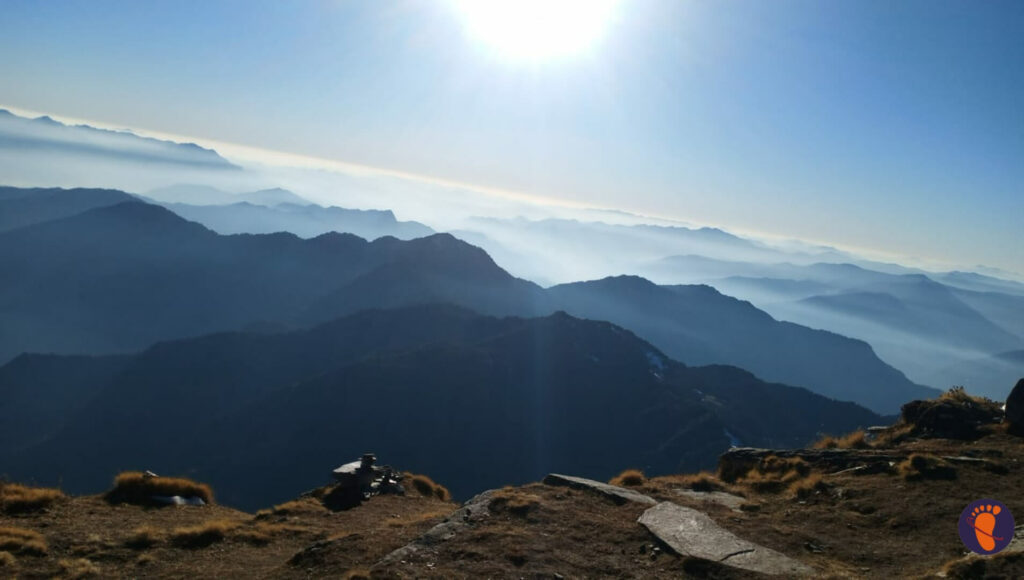
What makes Deoriatal-Chandrashila Trek special?
The Deoriatal-Chandrashila Trek can be called an all-rounder as it offers views of some of the important peaks of the Himalayas and also brings in the spiritual aspect because of the Tungnath Temple, which is also one of the Panch Kedars. This trek also offers a thrilling experience of the forest trails, which might lead to close encounters with some of the wild animals.
Why choose Deoriatal-Chandrashila as a Winter Trek?
Firstly, this trek makes people feel as if they are participating in a winter expedition even though there are no challenging terrains and technical climbs.
The views from the top are beyond imagination as the sun makes the peaks look golden during sunrise. Also, the frozen Deoriatal Lake and snow-covered peak with Tungnath Temple between the vast nothingness are irreplaceable.
Altitude: 13000 ft
Difficulty: Easy to Moderate
Duration: 4 to 5 days
Who should choose the Deoriatal-Chandrashila Trek?
It is widely considered to be one of the best beginner-friendly treks as there are no steep climbs. Good fitness is still required to enjoy the environment fully. Photographers would also love the Deoriatal-Chandrashila Trek as there is a rich ecological heritage due to the nearby wildlife sanctuaries. Leopards, bears, musk deer, and foxes can be seen during specific seasons.
Brahmatal Trek
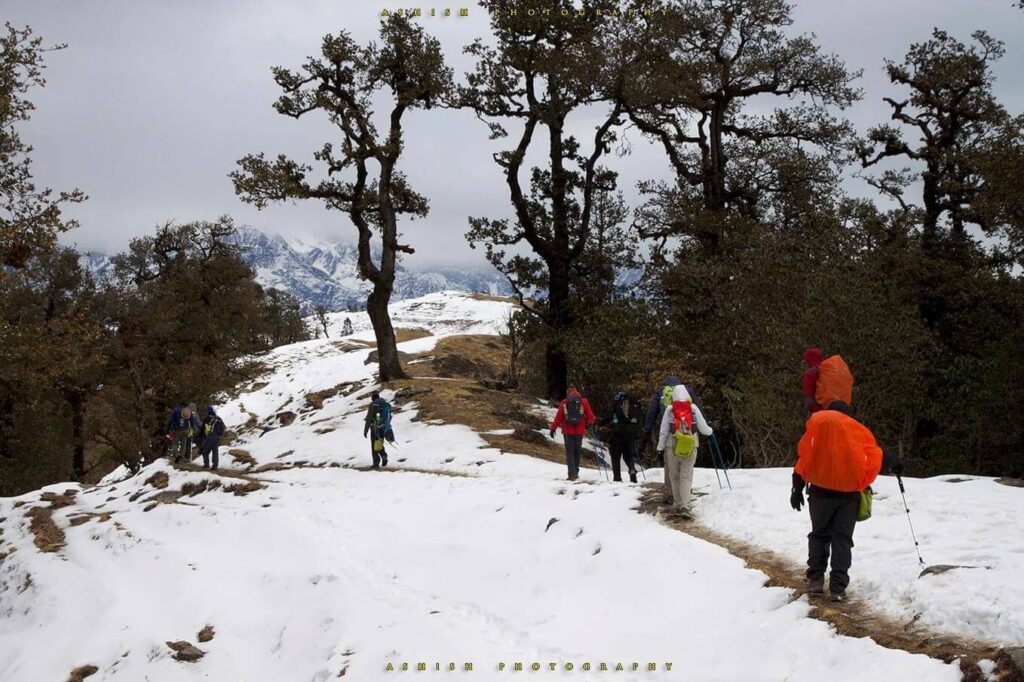
What makes Brahmatal Trek special?
The Brahmatal Trek is famous for its mythological belief that Lord Brahma meditated by the side of the lake, which gave it its name. The views of Mt. Trishul in such close quarters can make you feel as if you are sitting on the lap of the Himalayas. And of course, the frozen Brahmatal Lake is extremely serene and peaceful throughout the year, which is the primary reason people participate in this trek.
Why choose Brahmatal as a Winter Trek?
The primary reason for the Brahmatal Trek to be an ideal winter trek is its climate. The temperatures are cold but bearable even during peak winter. This allows the trekkers to enjoy deep snow without experiencing sub-zero temperatures. Stargazing is also quite common on the Brahmatal Trek during the winter as the skies are clear compared to other seasons.
Altitude: 12250 ft
Difficulty: Moderate
Duration: 6 days
Who should choose the Brahmatal Trek?
People who are willing to go to places with freezing temperatures, the Brahmatal Trek can be an ideal training ground for them. More importantly, for photographers who are interested in astrophotography in solitude, this is probably the best trek for them. Families can come here as children love snow, and the Discovery Hike team has experienced trek leaders who can guide them throughout the trek.
Dayara Bugyal Trek
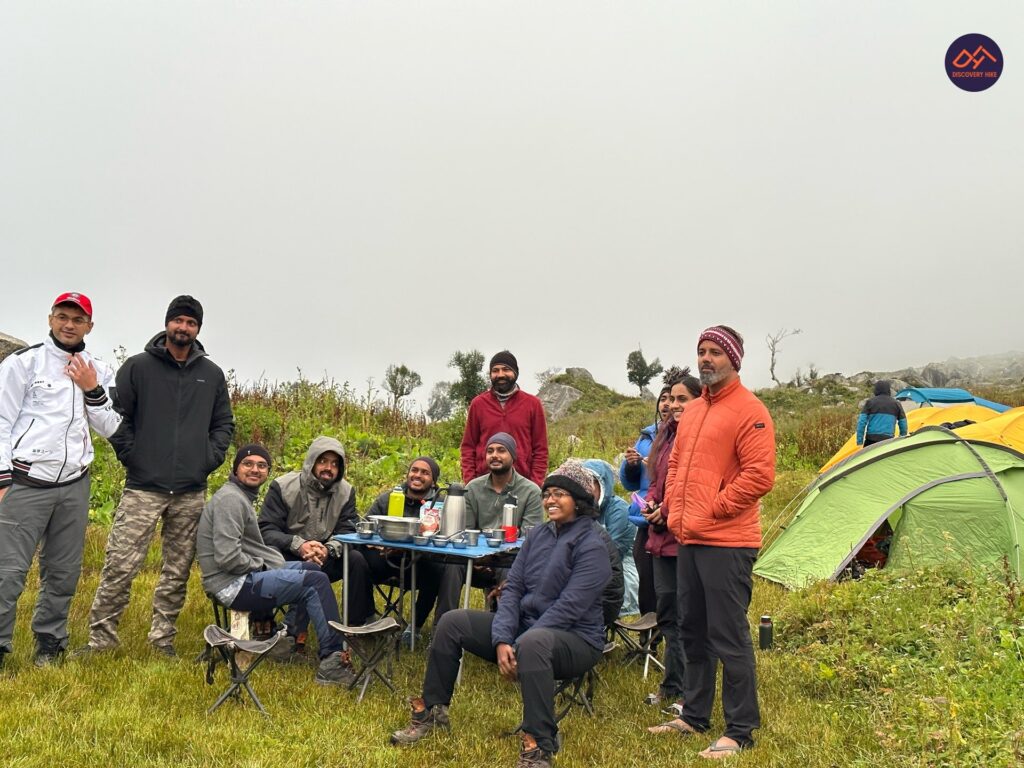
What makes the Dayara Bugyal Trek special?
The Dayara Bugyal Trek is famous for its never-ending meadows and panoramic views of the Himalayan peaks. The entire Gangotri range is visible from almost every part of the trek. The most prominent, the Black Peak stands tall in front of the trekkers, proving the vastness of the Himalayas. The campsite of the Barnala Lake is extremely peaceful and allows the trekkers to get absorbed in the serenity of the region.
Why choose Dayara Bugyal as a Winter Trek?
The primary attraction for people is skiing during the winter on the Dayara Bugyal trek. The meadows become white playgrounds in the winter and are ideal for people to run around, as there is no rocky terrain in most places. The entire trail is like a dream as everything, from waking up to sleeping in the camps, is white throughout the trek.
Altitude: 12000 ft
Difficulty: Easy to Moderate
Duration: 4 to 5 days
Who should choose the Dayara Bugyal Trek?
This trek is ideal for families and beginners as the terrain is not challenging and there are no risks on the trail and also at the campsites. It is a wonderland for winter sports enthusiasts as it is a popular skiing destination. The Dayara Bugyal trek is known for a thick layer of powdery snow, which makes it ideal for any snow lover irrespective of their physical capabilities.
Kuari Pass Trek
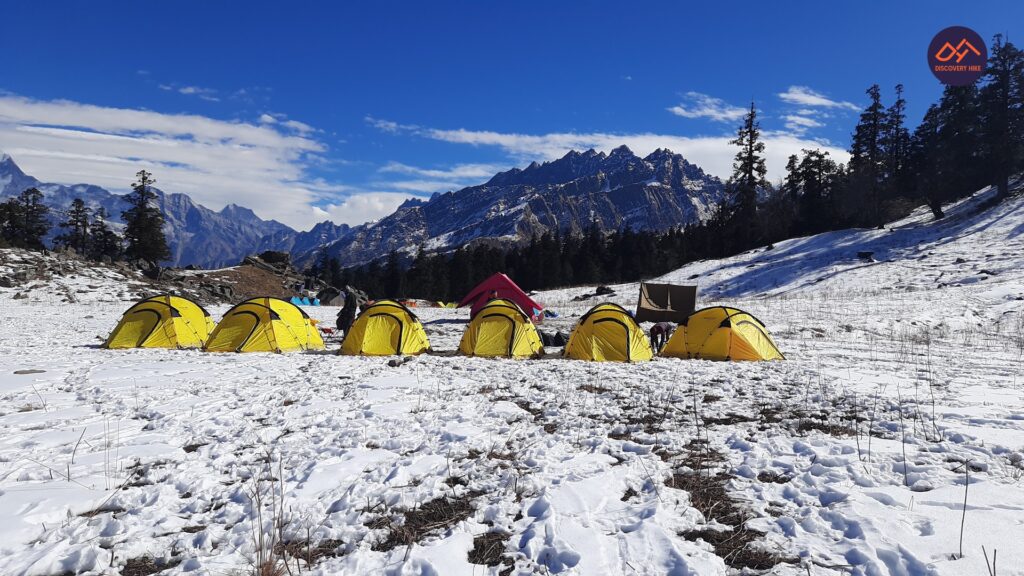
What makes the Kuari Pass Trek special?
The Forest trails and amazing views of the Himalayan peaks like Nanda Devi, Trishul and Chaukhamba make the Kuari Pass Trek special. The history of the Lord Curzon Trail and also the vibrant rhododendrons make the Kuari Pass a unique trek for mountain lovers.
Why choose Kuari Pass as a Winter Trek?
The weather is quite harsh during the winter but quite fulfilling for adventure lovers. The face of the Nanda Devi turns reddish-orange because of the sun, and witnessing that view from the peaceful campsites along the way is an experience to remember. People who have seen the trails during peak greenery love to come back during winter to witness the green cover shift to vast white fields.
Altitude: 12500 ft
Difficulty: Moderate
Duration: 6 days
Who should choose the Kuari Pass Trek?
Kuari Pass is suitable for absolute beginners, but it can help you step up your physical capabilities for moderate-graded treks and also challenging weather conditions. People who love to shoot mountains can have a variety of ideas as the landscapes change very quickly throughout the trail. Vast meadows might get narrowed down into deep forest trails, which open up to vast grasslands and towering mountain peaks.
Kedarkantha Trek
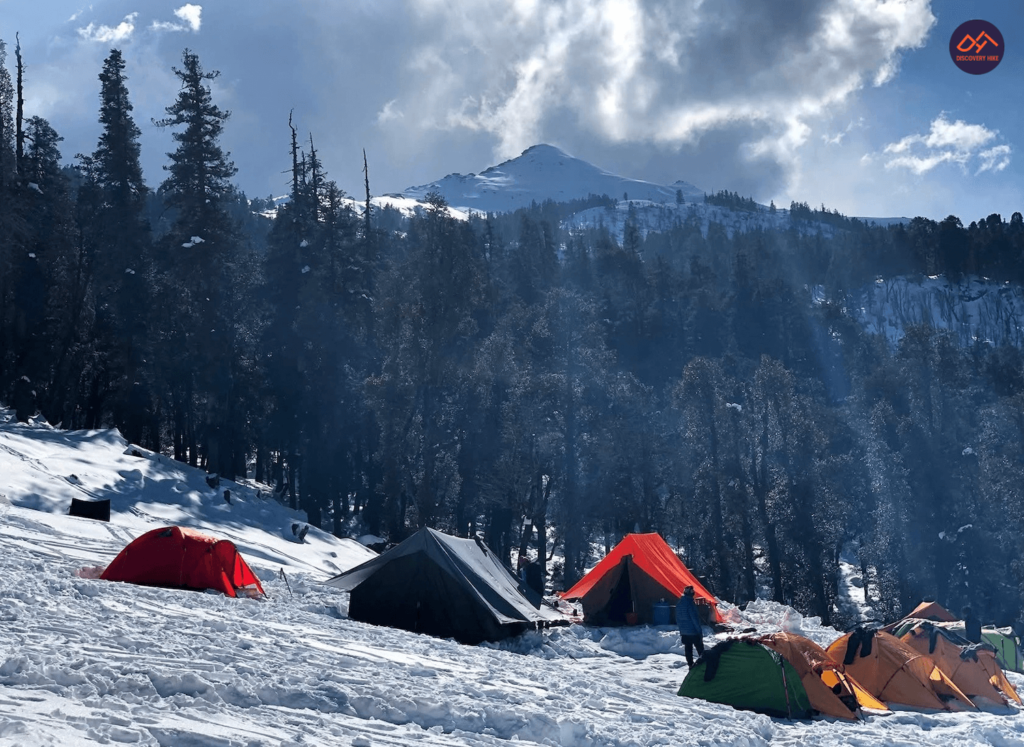
What makes the Kedarkantha Trek special?
The beautiful trails amidst towering pine trees widen towards massive mountains. It is also one of the best winter treks because of its summit day, as the final stretch is quite steep, which makes it rewarding for the trekkers. The Bandarpoonch and Swargarohini are among the most prominent peaks that can be seen along the trail.
Why choose Kedarkantha as a Winter Trek?
The overall experience is amazing during the winter season, as the snow is deep enough to enjoy but not overwhelming. You need good fitness as some parts can be quite steep. It is a training ground for many people who aspire to serious mountaineering expeditions.
The summit push while stargazing makes the trekkers feel like climbing a big mountain, and that leads to a sense of joy after completion. Many people plan accordingly and celebrate New Year at the summit of Kedarkanta.
Altitude: 12500 ft
Difficulty: Moderate
Duration: 6 days
Who should choose the Kedarkanta Trek?
Kedarkanta is ideal for people with friends and family, along with adventure enthusiasts who love camping and bird watching. Absolute beginners might face some problems, as you will need fitness during the last day, especially because of the steep summit push. It is ideal for you if you have some prior experience of high-altitude trekking for moderate to long hours.
Sandakphu Phalut Trek

What makes the Sandakphu Phalut Trek special?
The Sandakphu Phalut Trek is primarily famous for having the iconic view of four of the tallest mountains in the world, which include Everest, Lhotse, Makalu and Kanchenjunga. The summit is also the highest point in West Bengal. The trail passes through the Singalila National Park, which is famous for the colourful rhododendrons and other wild flowers. Trekkers often find red pandas, barking deer and other animals in proximity while crossing the forest.
Why choose Sandakphu Phalut as a Winter Trek?
The trail receives heavy snowfall during peak winter. Often the trekkers end up in the midst of snowfall, which is a magical experience. The wooden teahouses offer comfortable resting places which are deeply grounded in the local culture and traditions. The clear weather offers a photogenic view of the Laughing Buddha (all the mountain peaks combined).
Altitude: 11930 ft
Difficulty: Moderate
Duration: 6 to 7 days
Who should choose the Sandakphu Phalut Trek?
It is great for beginners, as there is a steep ascent or descent but long, steady walks almost every day. Photographers who want crisp pictures of the mountain peaks and also want to explore the unique flora and fauna also find the Sandakphu Phalut trek quite appealing. The cultural roots of the place also attract quite a number of people who love to stay in wooden panelled huts and enjoy local cuisine.
Aancha Top Trek
What makes the Aancha Top Trek special?
The exclusivity of the Aancha Top Trek makes it special among trekkers, as people love to get immersed in nature. The less crowd makes it an amazing destination for people who love solitude and want to take the unexplored paths into the Himalayas. The trail begins in a forest full of massive oak and pine trees, which transitions into large grasslands and serene campsites in the meadows.
Why choose Aancha Top as a Winter Trek?
Just like any other winter trek, the Aancha Top trek also offers thick snow cover and clear blue skies. The solitude of the Aancha Top trek makes the snow cover feel like a dreamland, as there is hardly any noise or disturbance. The narrow ridge walks throughout the trail also act as training grounds for rocky terrain during expeditions.
Altitude: 12525 ft
Difficulty: Easy to Moderate
Duration: 5 to 6 days
Who should choose the Aancha Top Trek?
Anyone who loves solitude is going to love the Aancha Top Trek, but it can also be great for fit beginners who want easy to moderate ascents with a high-altitude environment. This trek is like heaven for people who love to explore the unknown and less travelled paths.
Nag Tibba Trek
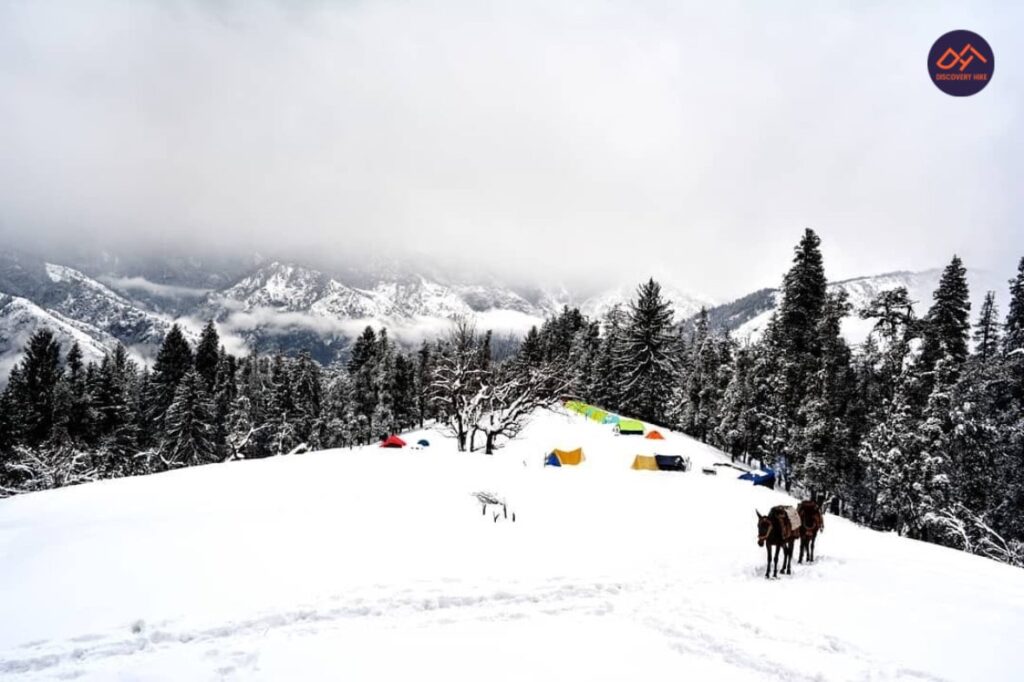
What makes the Nag Tibba Trek special?
The Nag Tibba trek is special among people who follow the Nag Devta, after whom this trek has been named. Just like the other winter treks, trails take the trekkers through dense oak and pine forest with rhododendrons and vibrant wild flowers before narrowing down to thrilling alpine ridge walks. The mountain ranges of the Garhwal and Himachal, including Swargarohini, Bandarpoonch and other peaks, are all visible throughout the trail.
Why choose Nag Tibba as a Winter Trek?
The primary reason people opt for the Nag Tibba trek is its short duration compared to other long treks. It offers a complete alpine experience at a much lower altitude and also within two days. The temperatures are not harsh due to its low altitude but still allow trekkers to walk on snow.
Altitude: 9915 ft
Difficulty: Easy
Duration: 2 days
Who should choose the Nag Tibba Trek?
This trek is best for people with a tight schedule and also absolute beginners to get used to different alpine conditions before heading towards longer treks. The Nag Tibba trek is also a great weekend escape for people who love bird watching. Families who want to start camping can also opt for this trek.
Which month should you choose for Winter Treks?
The winter trekking season begins in December and continues till the end of February. We have discussed the pros and cons of trekking in each season.
December
The grasslands might still have reddish-brown grass from the autumn, but mild snowfall starts at the higher altitudes in early December. By mid to late December, the landscape is completely covered with snow.
Pros
The weather is stable and temperatures during the day are bearable. Fresh powdery snow makes it easier to navigate the routes.
Cons
The trekking destinations are overcrowded, and therefore, connection with nature is minimal. The booking charges are also high due to the high participation rate during this month.
January
January is when winter peaks. The temperatures are freezing almost throughout the day. The forests and alpine lakes are frozen, and slippery trails are very common.
Pros
Almost no human intervention, as trek participation is minimal. Solitude and serenity can be experienced to the fullest during this period.
Cons
The climate is extreme as the temperatures are way below the freezing point. Sudden snowstorms are also common during this period.
February
It can be called the retreating winter as snow starts to melt in the lower regions, and the snow cover is replaced by brown grasses slowly. The higher altitude regions are still covered by thick layers of ice. Hard ice is common during this period.
Pros
It has a mix of both seasons. The temperatures are not as harsh, but the amount of snow is enough for snow lovers.
Cons
Hard ice can make movement difficult in the morning. In the afternoon, melting may lead to skidding on the trails.
Why choose Discovery Hike as your Trekking Partner?
We have Experienced Trek Leaders.
We provide education and guidance regarding the trail and the region overall.
We put a high focus on trekking gear, equipment, and clothing layers.
We help you choose the right trek for you based on your physical capabilities.
We strictly follow all safety protocols and carry medical support.
We make sure that the food is simple and nutritious.


